
ACL Injuries and Sports-Related Knee Problems: Causes, Symptoms, and Treatment
The knee is one of the most vulnerable joints in the body, especially for athletes and active individuals. Among various injuries, Anterior Cruciate Ligament (ACL) tears are one of the most common and significant, often impacting athletic performance and daily mobility. Understanding ACL injuries, recognizing symptoms early, and knowing the available treatment options are essential for a safe recovery and preventing long-term complications.
Dr. Lokesh Dabral, a leading orthopedic surgeon in Dehradun, explains the causes, signs, and modern treatments for ACL and other sports-related knee injuries, along with rehabilitation and preventive strategies.
Understanding the ACL and Knee Anatomy
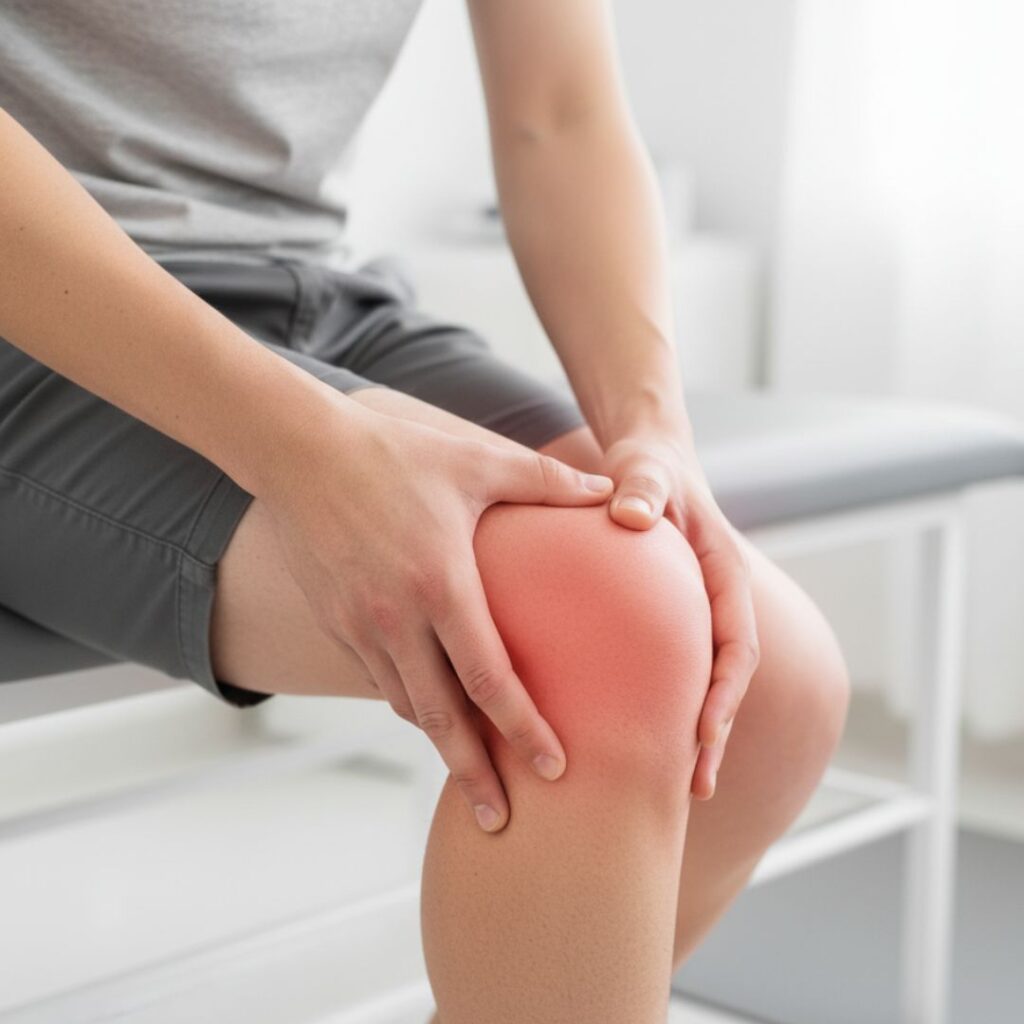
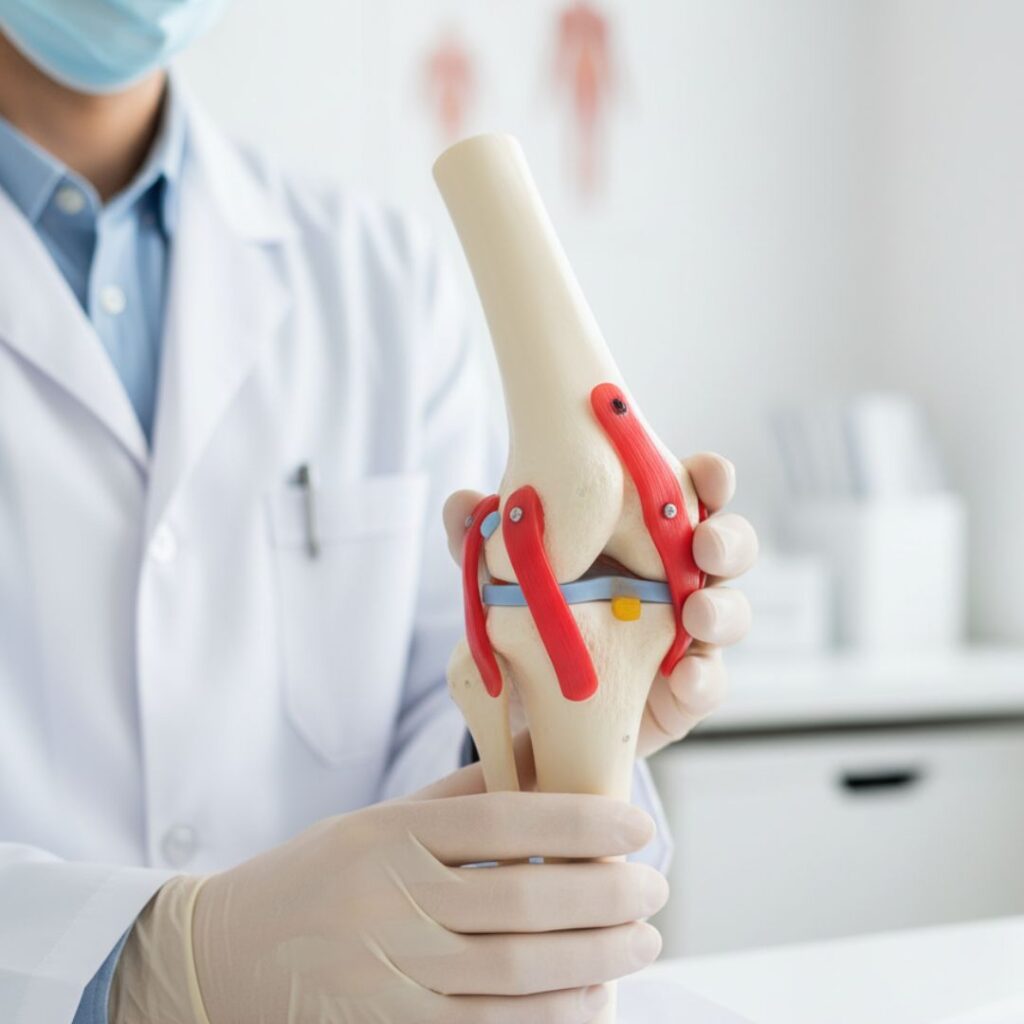
The knee is a hinge joint that connects the thigh bone (femur) to the shin bone (tibia). It consists of:
- Bones: Femur, tibia, and patella (kneecap)
- Ligaments: ACL (Anterior Cruciate Ligament), PCL (Posterior Cruciate Ligament), MCL (Medial Collateral Ligament), and LCL (Lateral Collateral Ligament)
- Meniscus: Cartilage that cushions the joint and absorbs shock
- Tendons: Connect muscles to bones and assist movement
The ACL is a key ligament inside the knee that stabilizes the joint during rotational movements, sudden stops, and jumps. Injuries to this ligament can compromise stability and mobility.
Common Causes of ACL and Sports-Related Knee Injuries
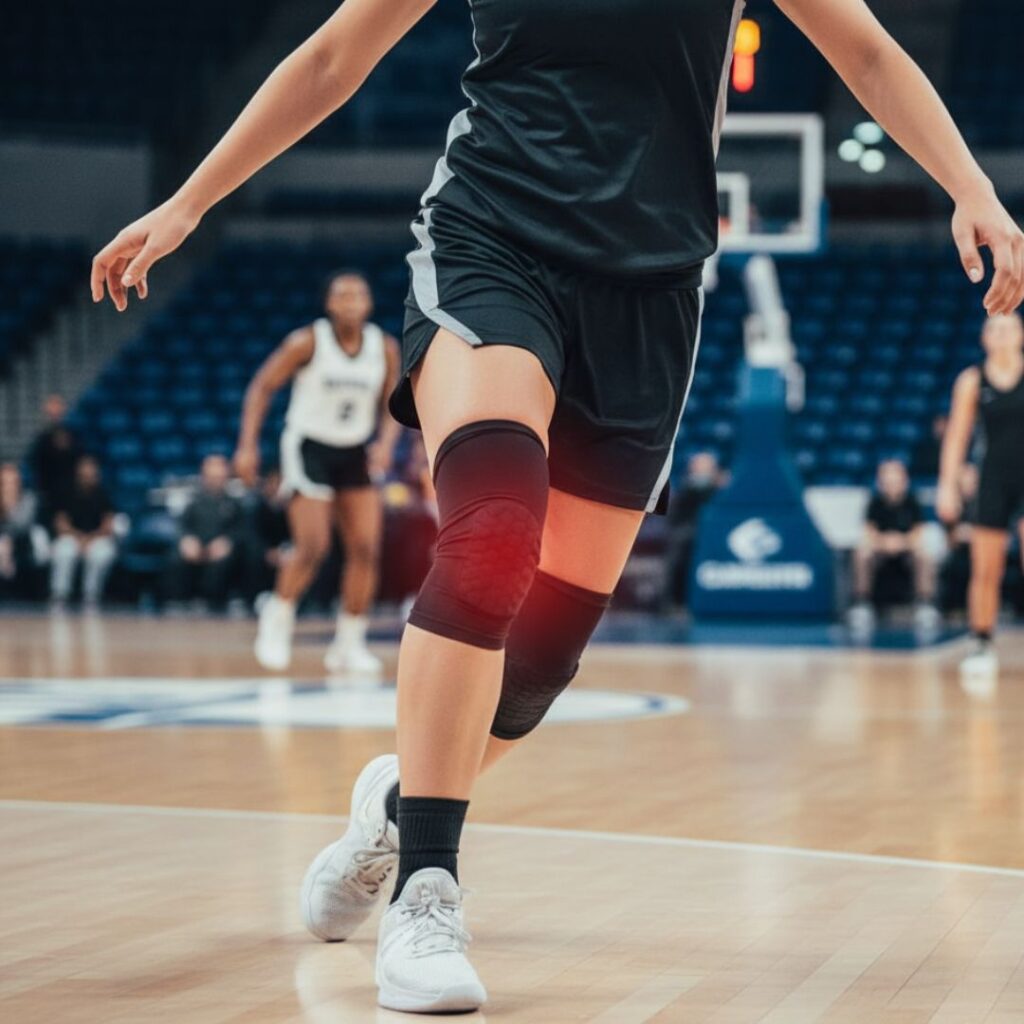
ACL injuries are most frequently associated with sports, but they can also occur during accidents or sudden movements. Common causes include:
1. Sudden Direction Changes or Pivoting
Sports like football, basketball, and tennis involve rapid changes in direction. Twisting the knee too quickly can strain or tear the ACL.
2. Jumping and Landing Incorrectly
Landing from a jump with poor alignment increases stress on the knee joint, often leading to ligament injury.
3. Direct Contact or Collision
A sudden impact to the knee during sports or accidents can rupture ligaments, damage cartilage, or cause fractures.
4. Overuse and Fatigue
Excessive training without proper rest weakens muscles, increasing susceptibility to knee injuries.
5. Previous Injuries
A history of knee injuries, meniscus tears, or ligament damage may raise the risk of ACL injury in the future.
Symptoms of ACL and Sports-Related Knee Injuries
Recognizing symptoms early is crucial for timely treatment:
- A sudden “pop” sound during injury
- Severe pain immediately after the incident
- Rapid swelling around the knee
- Feeling of instability or “giving way”
- Limited range of motion
- Tenderness along the joint line
If you experience these symptoms, consulting an orthopedic specialist promptly can prevent worsening and facilitate proper recovery.
Diagnosing ACL and Knee Injuries
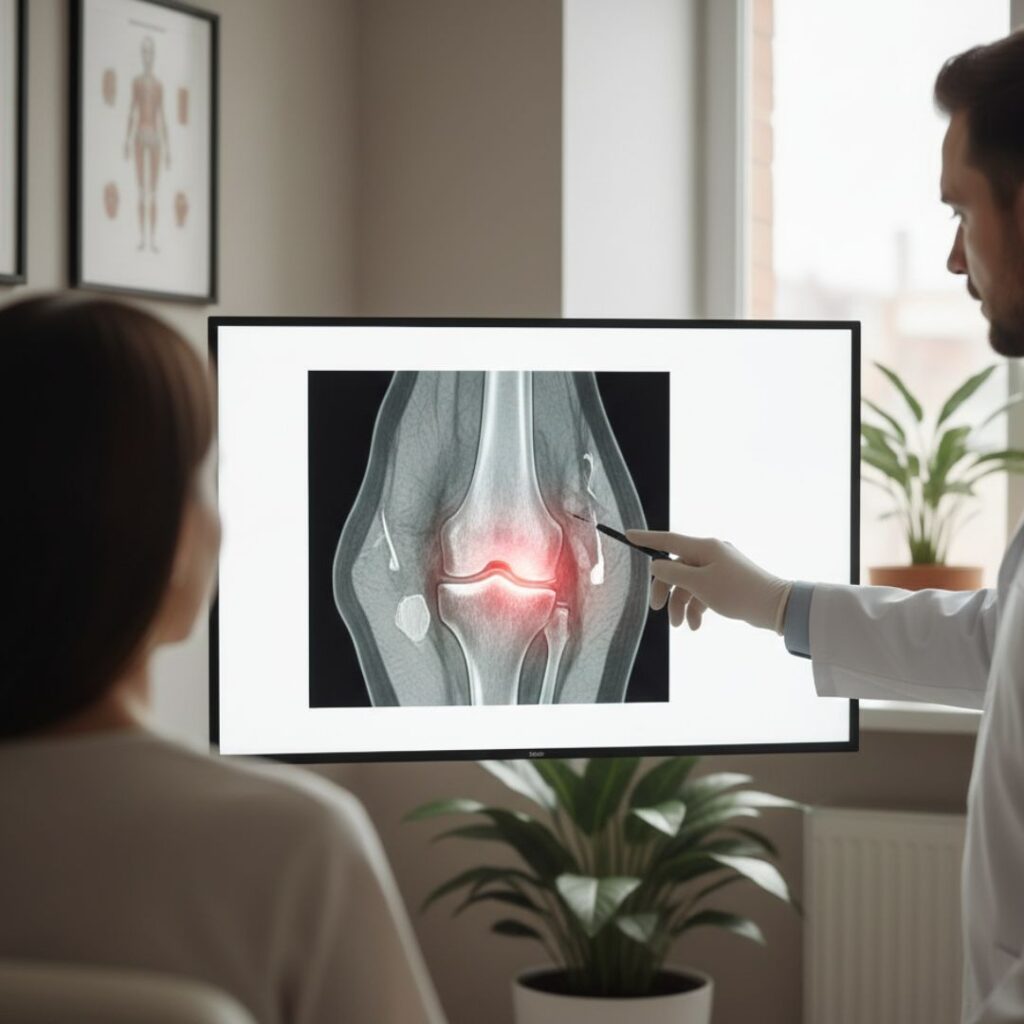
Dr. Lokesh Dabral follows a comprehensive diagnostic process for knee injuries:
- Physical Examination: Testing ligament stability, range of motion, and swelling
- Medical History: Review of injury mechanism, previous knee issues, and activity level
- Imaging Studies: MRI is the gold standard to detect ACL tears, cartilage damage, and meniscus injuries. X-rays help rule out fractures.
- Functional Assessment: Evaluating strength, balance, and gait
Accurate diagnosis ensures personalized treatment planning and optimal outcomes.
Treatment Options for ACL and Sports-Related Knee Injuries
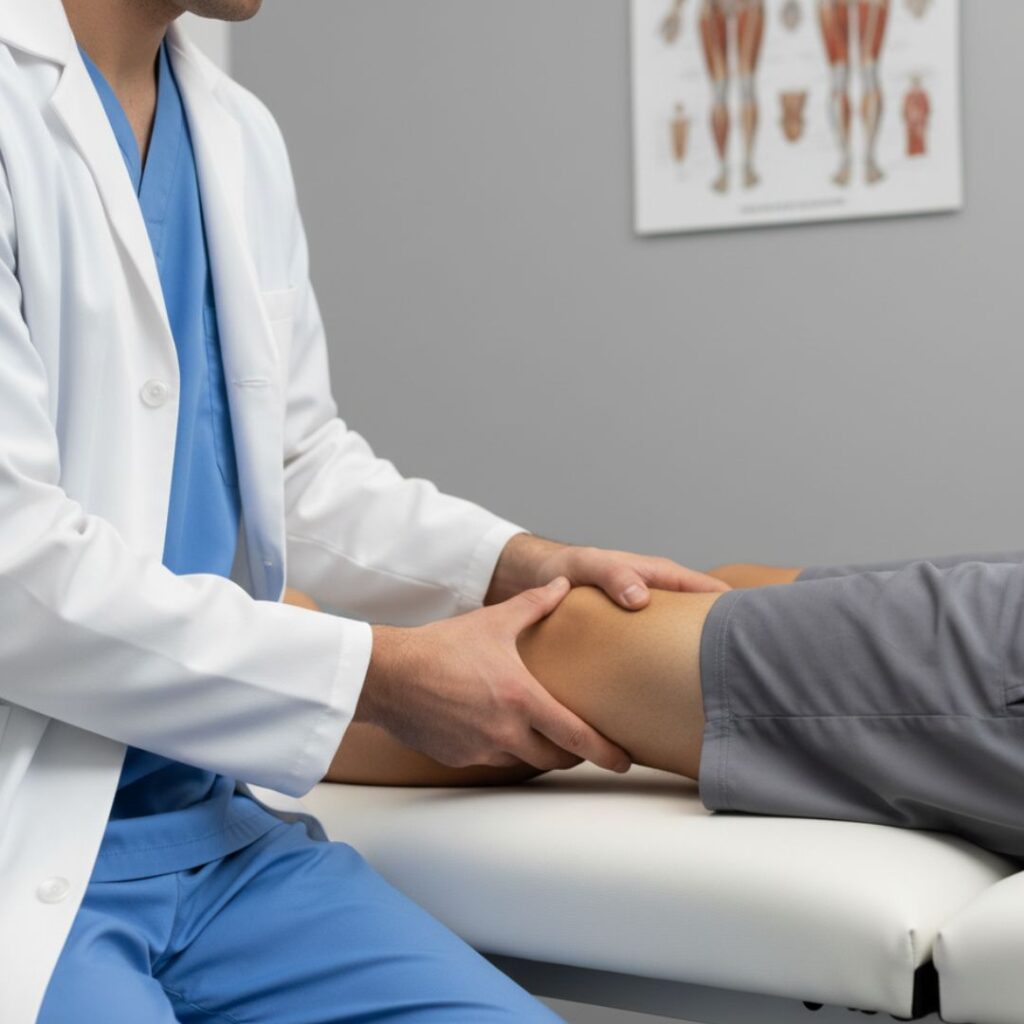
Treatment depends on the severity of the injury, age, activity level, and overall health.
1. Non-Surgical Treatments
For partial ACL tears or less active individuals, non-surgical approaches may be effective:
- Physical Therapy: Strengthens surrounding muscles to stabilize the knee
- Bracing: Knee braces provide external support and prevent further injury
- Activity Modification: Avoiding high-risk movements until recovery
- Medications: Anti-inflammatories reduce pain and swelling
Non-surgical treatment works best for mild injuries and when patients do not require high-intensity physical activity.
2. Surgical Treatments
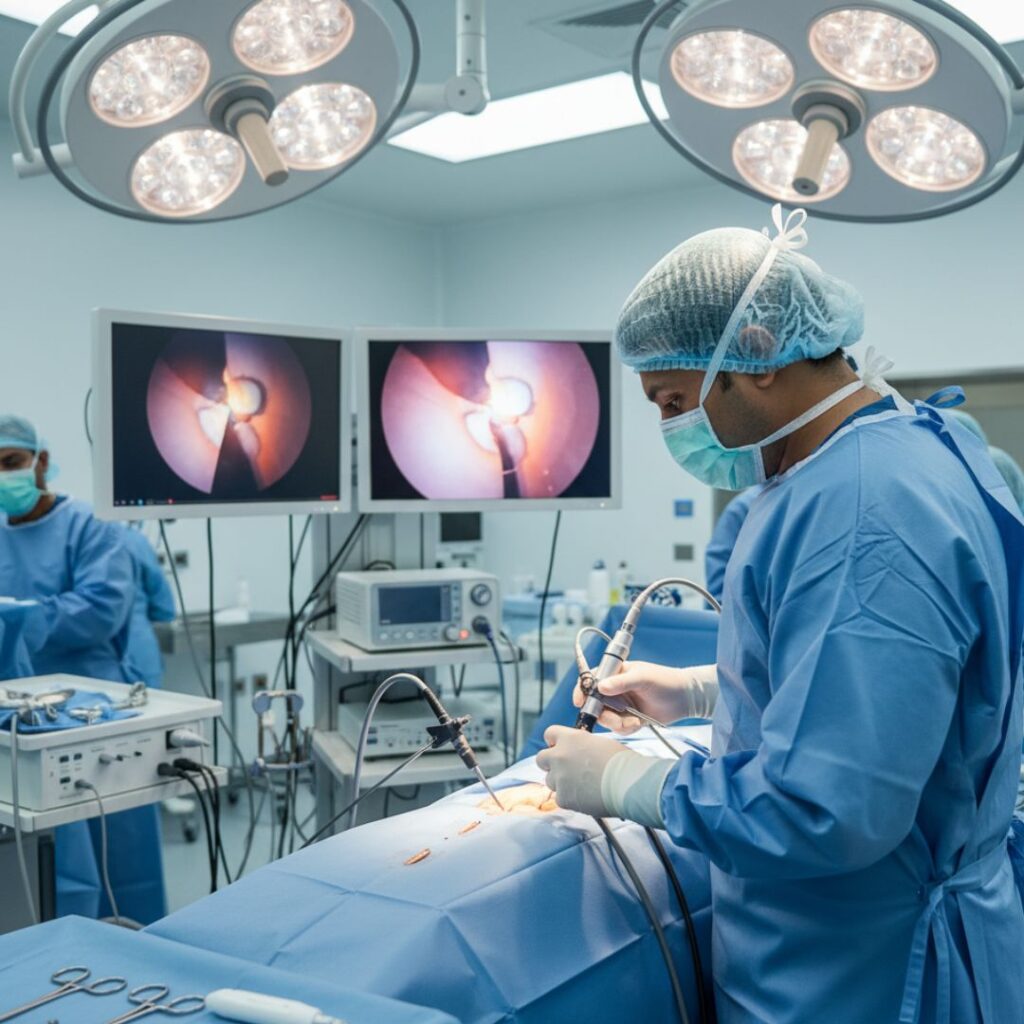
Complete ACL tears, instability, or active athletes often require surgery:
ACL Reconstruction Surgery
- The damaged ligament is replaced using a graft (autograft from your own tissue or allograft from a donor).
- Minimally invasive arthroscopic techniques reduce recovery time and scarring.
- Surgery restores stability, allowing safe return to sports and daily activities.
Meniscus Repair or Debridement
- ACL injuries often occur with meniscus tears. Repairing the meniscus prevents long-term joint degeneration.
Other Ligament or Cartilage Repair
Complex knee injuries may involve repairing MCL, LCL, or damaged cartilage alongside ACL reconstruction.
Recovery and Rehabilitation

Rehabilitation is critical for a successful recovery:
- Early Mobilization: Gentle exercises soon after surgery to maintain flexibility
- Strength Training: Quadriceps, hamstrings, and hip muscles are strengthened to support the knee
- Gradual Activity Resumption: Patients progress from walking to jogging, then to sports-specific movements
- Long-Term Conditioning: Focus on balance, agility, and endurance to prevent re-injury
Recovery typically takes 6–12 months depending on the individual and the extent of the injury.
Preventing ACL and Sports-Related Knee Injuries

Prevention is always better than treatment. Athletes and active individuals can reduce risk by following these tips:
- Strength Training: Focus on quadriceps, hamstrings, hips, and core
- Proper Technique: Learn correct landing, pivoting, and cutting techniques
- Warm-Up and Stretching: Essential before any sport or high-intensity activity
- Wear Supportive Footwear: Reduces stress on knees and joints
- Avoid Overtraining: Schedule rest periods to prevent fatigue-related injuries
- Balance and Agility Exercises: Improve joint stability and coordination
Regular conditioning and awareness of body mechanics significantly reduce injury risks.
When to See an Orthopedic Specialist

Consult an orthopedic surgeon if:
- Pain and swelling do not subside within a few days
- The knee feels unstable or “gives way”
- Limited range of motion persists
- You are an athlete seeking to return to sports safely
Early intervention ensures the best possible outcome and minimizes long-term joint damage.
Conclusion
ACL injuries and sports-related knee problems are common but manageable with early diagnosis, proper treatment, and structured rehabilitation. Understanding the causes, recognizing symptoms, and following preventive strategies can help individuals maintain healthy knees and stay active.
With expert guidance from Dr. Lokesh Dabral, patients receive modern orthopedic treatments, evidence-based care, and customized rehabilitation programs that ensure long-term joint health and a safe return to daily activities or sports.