
Total and Partial Knee Replacement: What You Need to Know
Knee pain due to arthritis, injury, or joint degeneration can significantly affect mobility, independence, and quality of life. When conservative treatments such as medication, physical therapy, or injections fail to provide relief, knee replacement surgery becomes an effective solution.
Dr. Lokesh Dabral, a leading orthopedic surgeon in Dehradun, explains the difference between total and partial knee replacement, their benefits, risks, recovery process, and long-term outcomes, helping patients make informed decisions about their joint health.
Understanding Knee Replacement Surgery
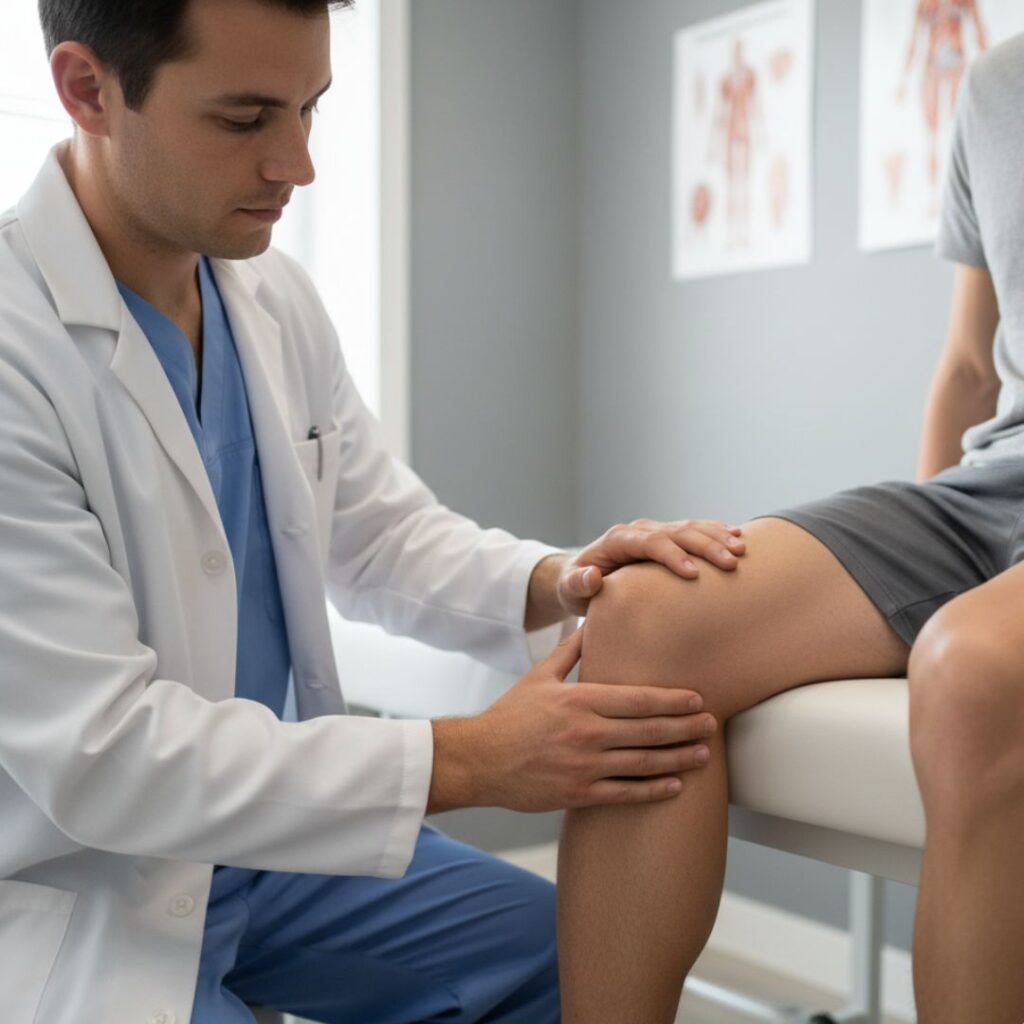
Knee replacement surgery involves removing damaged or worn-out parts of the knee joint and replacing them with artificial components (prostheses) to restore function, reduce pain, and improve mobility. The two main types are total knee replacement (TKR) and partial knee replacement (PKR).
Total knee replacement replaces the entire knee joint, including the femoral component (end of the thigh bone), tibial component (top of the shin bone), and sometimes the patellar component (kneecap). This approach is ideal for patients with advanced arthritis affecting all compartments of the knee.
Partial knee replacement, also known as unicompartmental knee replacement, involves replacing only the damaged section of the knee. It preserves healthy tissue and ligaments and is suitable for patients with localized arthritis in one compartment, maintaining more natural knee movement and a shorter recovery period.
When is Knee Replacement Needed?
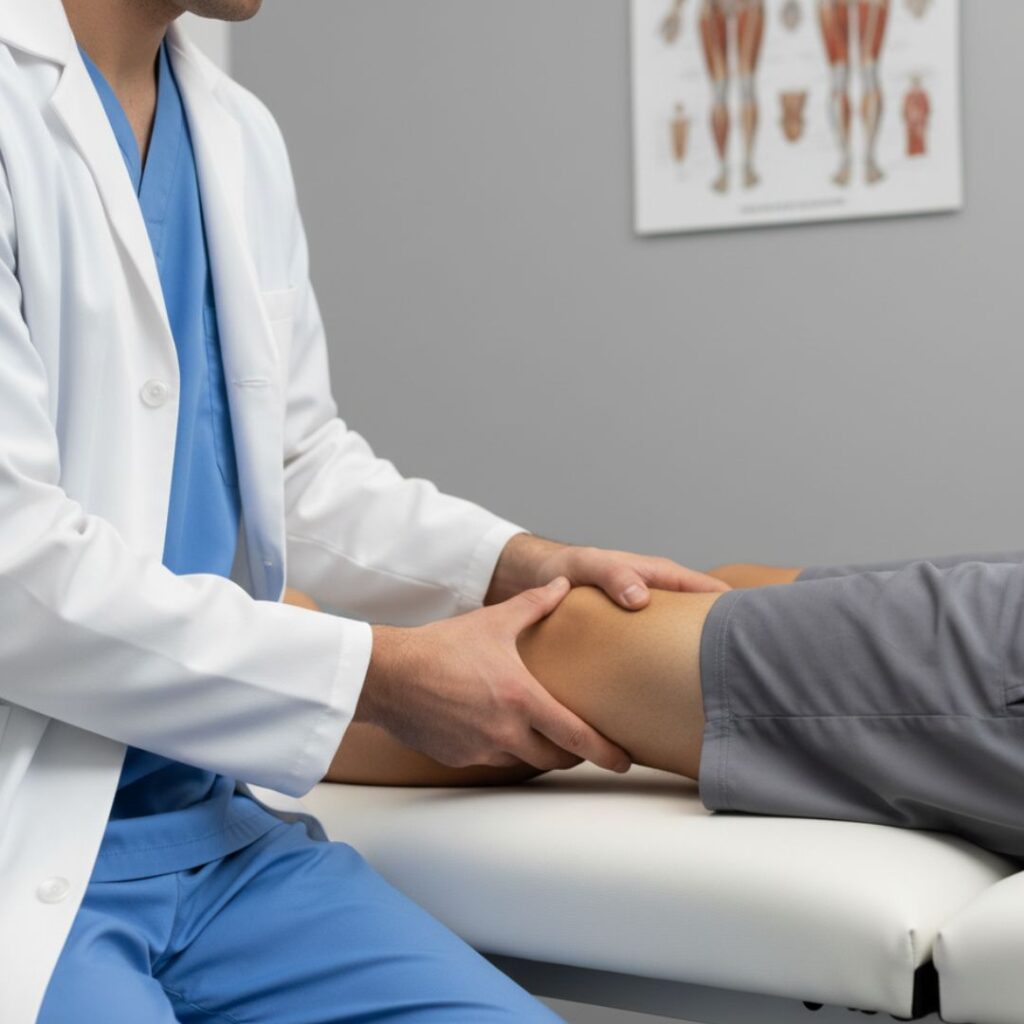
Knee replacement is recommended when severe pain interferes with daily activities such as walking, climbing stairs, or standing. Chronic swelling, joint stiffness, and deformity due to arthritis or injury may also indicate the need for surgery. Patients often struggle with sleeping, performing routine movements, or maintaining an active lifestyle. When conservative treatments fail to relieve pain and improve mobility, knee replacement surgery can provide long-term relief.
Total Knee Replacement (TKR)
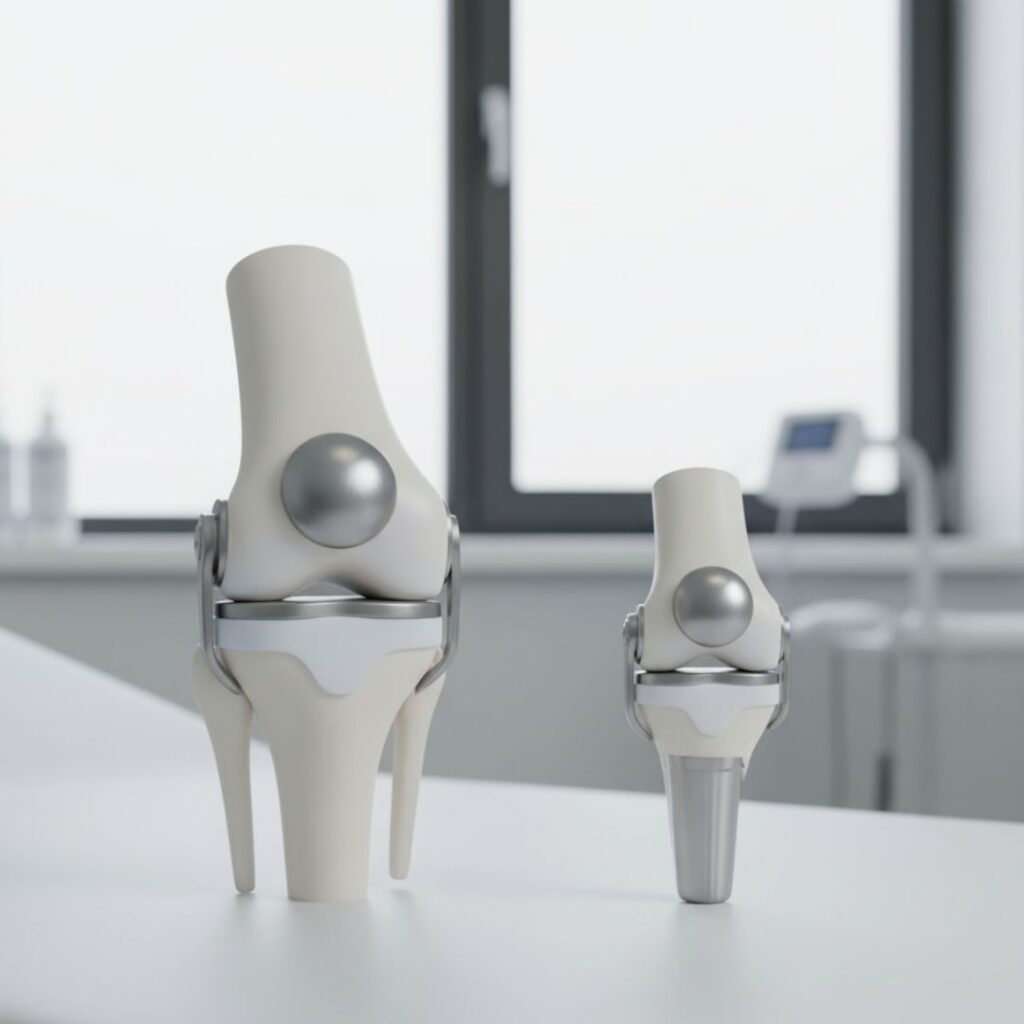
Total knee replacement is performed when arthritis or joint damage affects the entire knee. The surgery involves removing the damaged bone and cartilage and replacing them with a prosthetic implant to restore alignment, stability, and function.
The benefits of TKR include relief from chronic pain, improved mobility, better joint stability, and long-lasting results, typically 15–20 years with modern implants. Candidates for TKR include patients with advanced arthritis, severe deformity, or instability who have not benefited from non-surgical treatments.
The procedure usually involves general or spinal anesthesia. After the damaged tissue is removed, the prosthetic components are positioned and secured. Incisions are closed, and rehabilitation begins soon after surgery to regain strength and mobility.
Partial Knee Replacement (PKR)
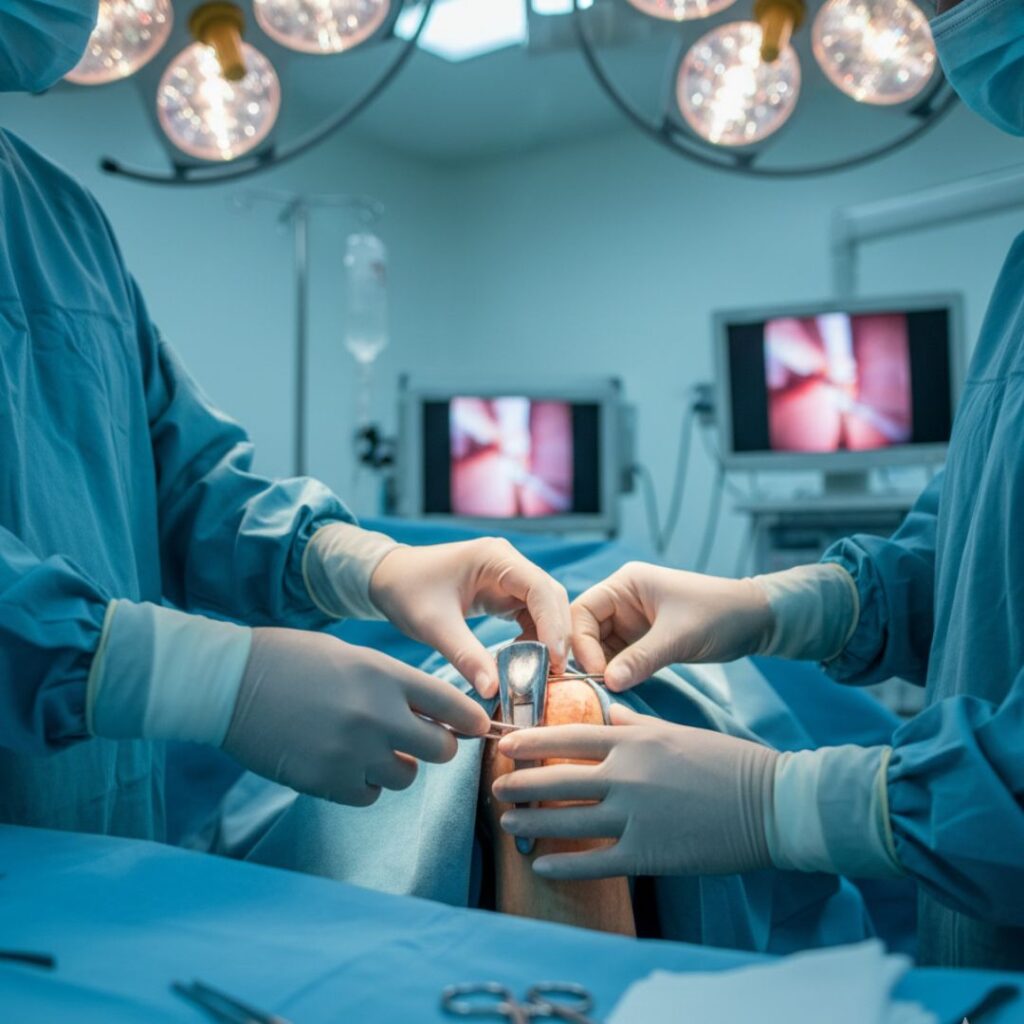
Partial knee replacement is suitable for patients with arthritis or damage limited to one compartment of the knee. Unlike TKR, PKR involves a smaller incision, preserves healthy bone and ligaments, and offers faster recovery.
The benefits of PKR include less post-operative pain, shorter hospital stays, maintenance of natural knee movement, and quicker return to daily activities. Ideal candidates are those with localized arthritis, intact ligaments, and minimal deformity who want to recover faster while preserving knee function.
The surgical procedure is similar to TKR but involves only the affected area. Often performed using minimally invasive techniques, rehabilitation begins early, with patients usually walking with assistance within a day or two.
Comparing Total and Partial Knee Replacement
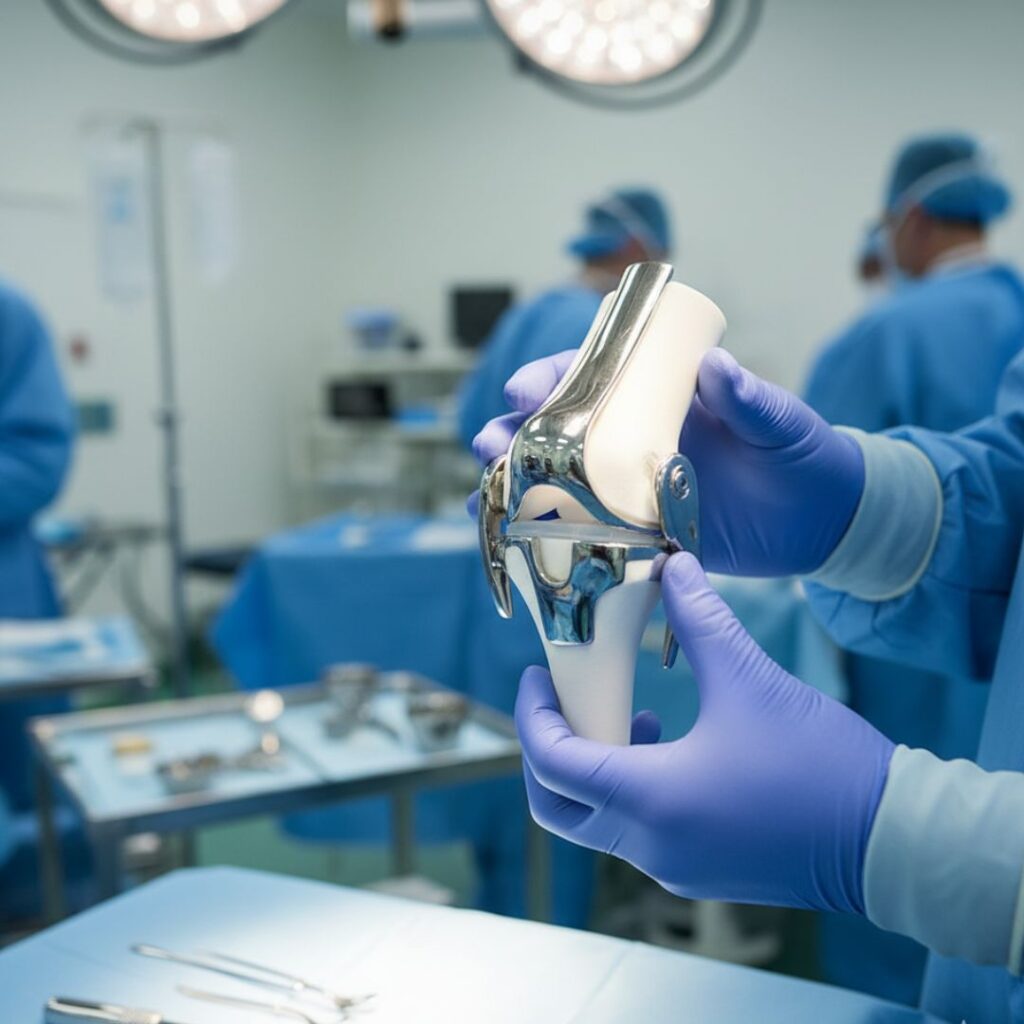
While both procedures aim to relieve pain and restore mobility, TKR replaces the entire knee and is more suitable for patients with advanced arthritis in all compartments, whereas PKR replaces only the affected area, preserving healthy tissue and allowing faster recovery. Post-operative pain and recovery time are generally higher for TKR, while PKR offers a less invasive option with a quicker return to activity. Longevity of implants differs slightly, with TKR lasting 15–20 years and PKR around 10–15 years, depending on individual lifestyle and joint condition.
Risks and Considerations

Though knee replacement is generally safe, it carries potential risks, including infection, blood clots, implant loosening, reduced range of motion, or persistent pain. Pre-operative evaluation, choosing the right procedure, and careful adherence to post-operative rehabilitation help minimize risks and improve long-term outcomes.
Recovery and Rehabilitation
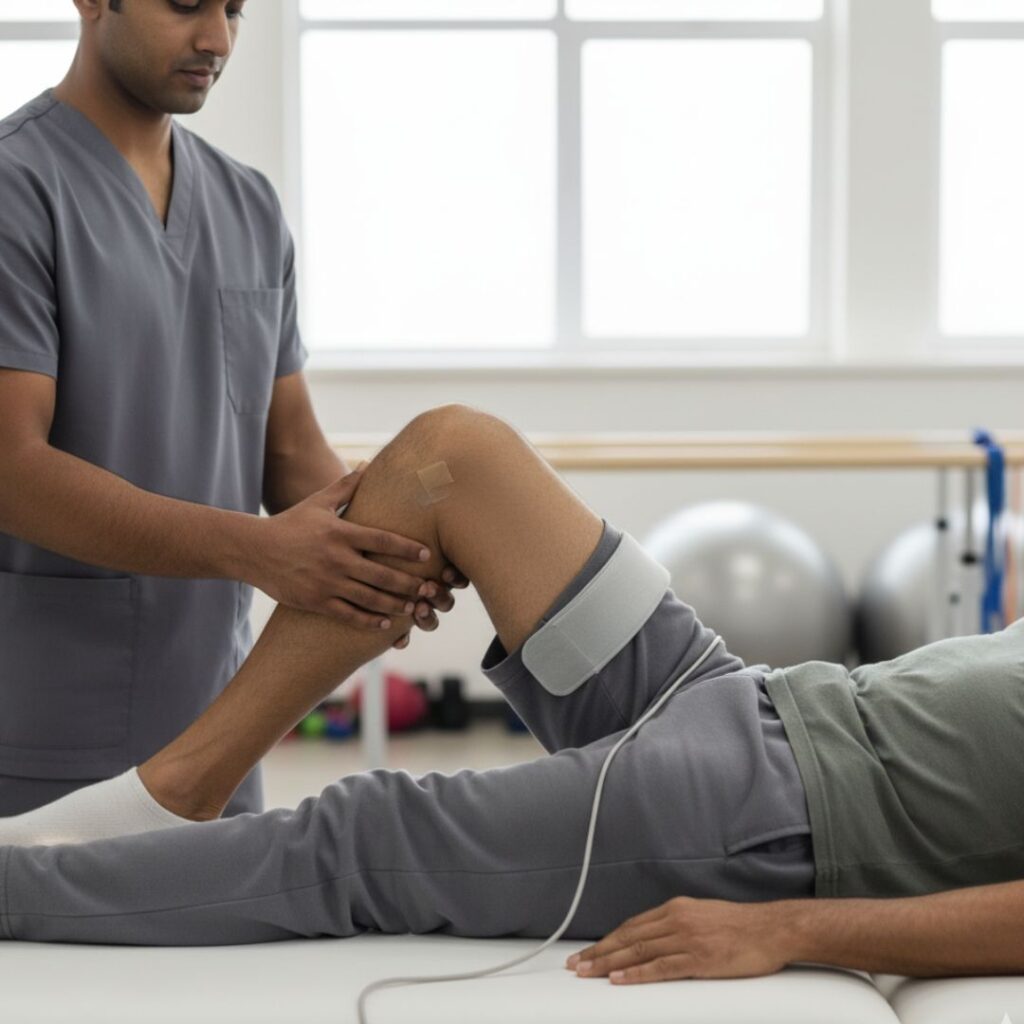
Recovery is essential for successful knee replacement. The typical hospital stay is 2–5 days. Pain management, early mobilization, and guided physiotherapy are crucial for regaining strength, flexibility, and range of motion. Gradual weight-bearing and long-term care, including regular follow-ups, ensure optimal joint function. Most patients return to normal activities within 6–12 weeks, though high-impact sports are generally discouraged to preserve implant longevity.
Tips for a Successful Knee Replacement Outcome

For the best results, patients should maintain overall health before surgery, follow physiotherapy instructions diligently, maintain a healthy weight, engage in low-impact activities like swimming or cycling, and attend regular follow-ups with their orthopedic surgeon. These steps support long-term joint function and overall mobility.
Conclusion
Knee replacement, whether total or partial, is a life-changing option for patients suffering from chronic pain or joint degeneration. Choosing the right procedure, understanding the surgery, and following a structured rehabilitation plan are essential for optimal outcomes.
With Dr. Lokesh Dabral, patients receive expert guidance, advanced surgical care, and personalized support throughout their recovery, ensuring long-term joint health, reduced pain, and improved quality of life.